The card reader that fits in a pocket
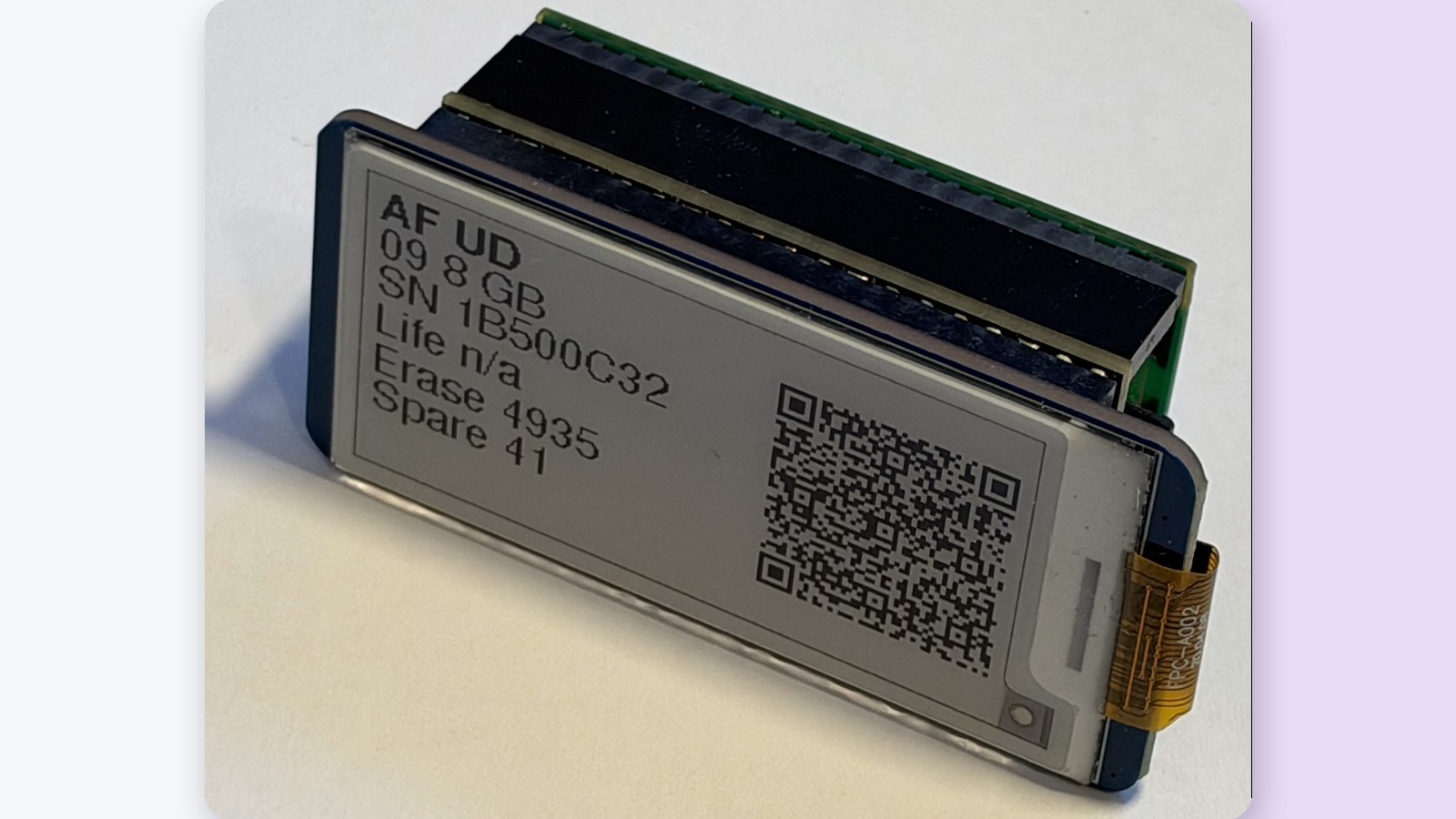
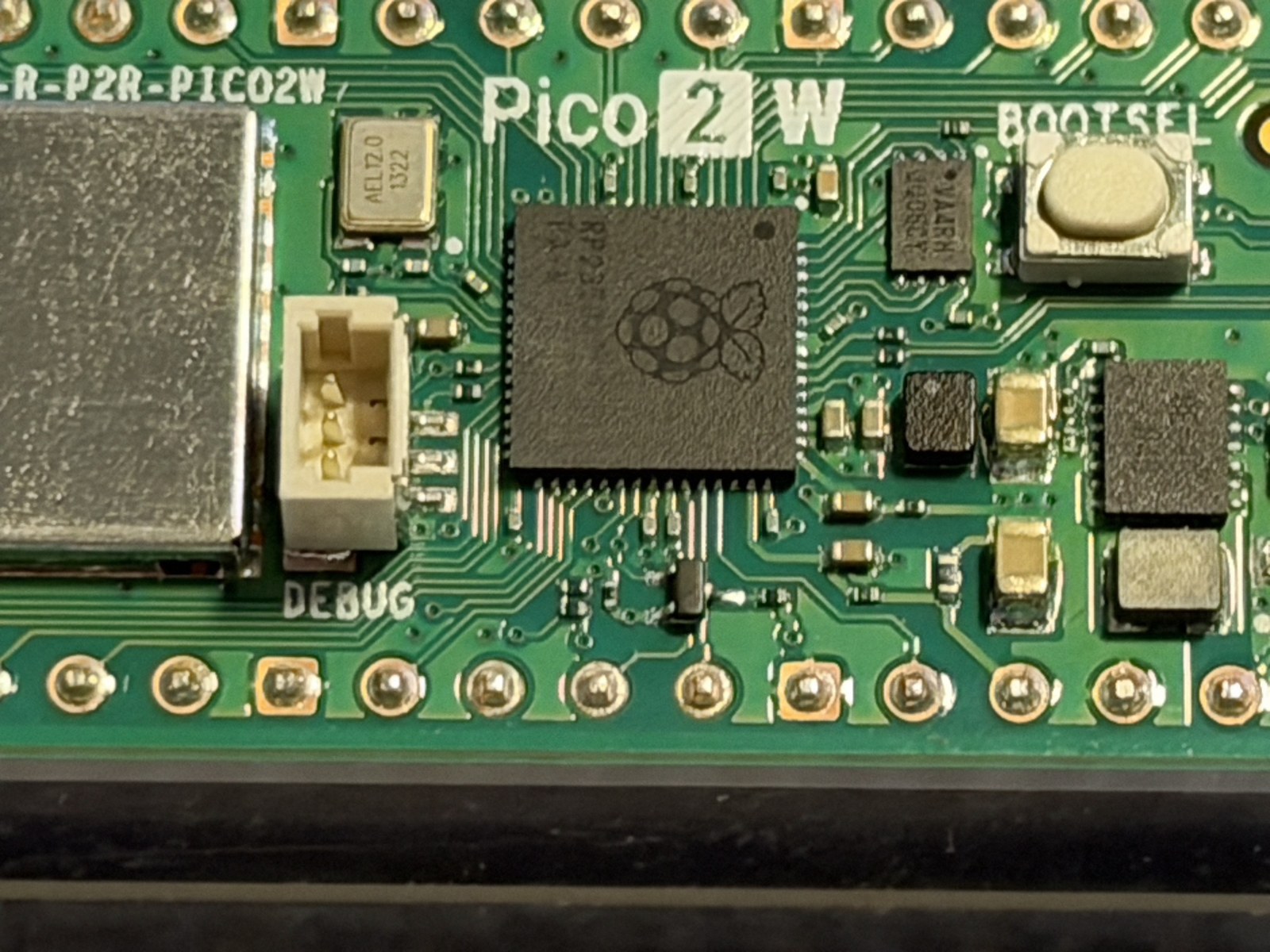
A first look at ASTRID Nano: a Raspberry Pi Pico 2 W, a card slot and an e-paper panel that shows what a memory card is, how worn it is, and a signed QR code that opens the card's passport.
Most of the memory cards in industrial equipment are never looked at until something goes wrong. They go in when the machine is built, they stay in for years, and the first anyone hears of them is a machine that will not boot.
We built ASTRID to change that. The handheld reads a card, tests it, wipes it when asked and writes a certificate. It is the right tool for a lab bench and for a service engineer with a van full of kit. It is not the right tool for the person who simply wants to know what a card is before they put it back in a machine.
That person needs something smaller. So we built ASTRID Nano.
What it is
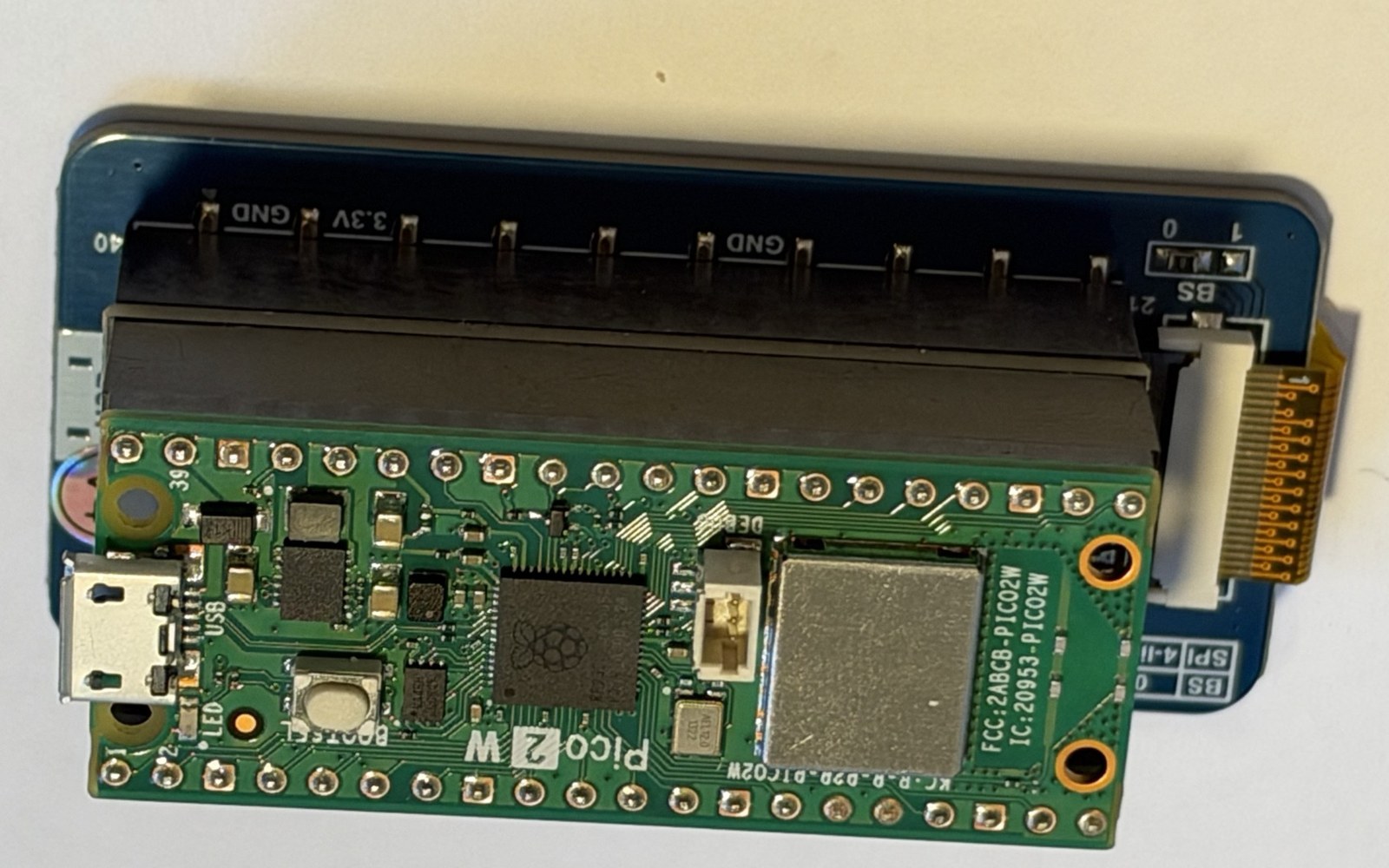
A Raspberry Pi Pico 2 W, an SD card slot and a 2.13 inch e-paper panel, stacked into a block a little bigger than a matchbox. Insert a card and the panel shows the maker, the model, the capacity and the serial number. On cards whose controller reports its own wear counters, the panel adds how many erase cycles the card has been through, how many spare blocks it has left and, where the card gives us enough to say, how much of its rated life remains.
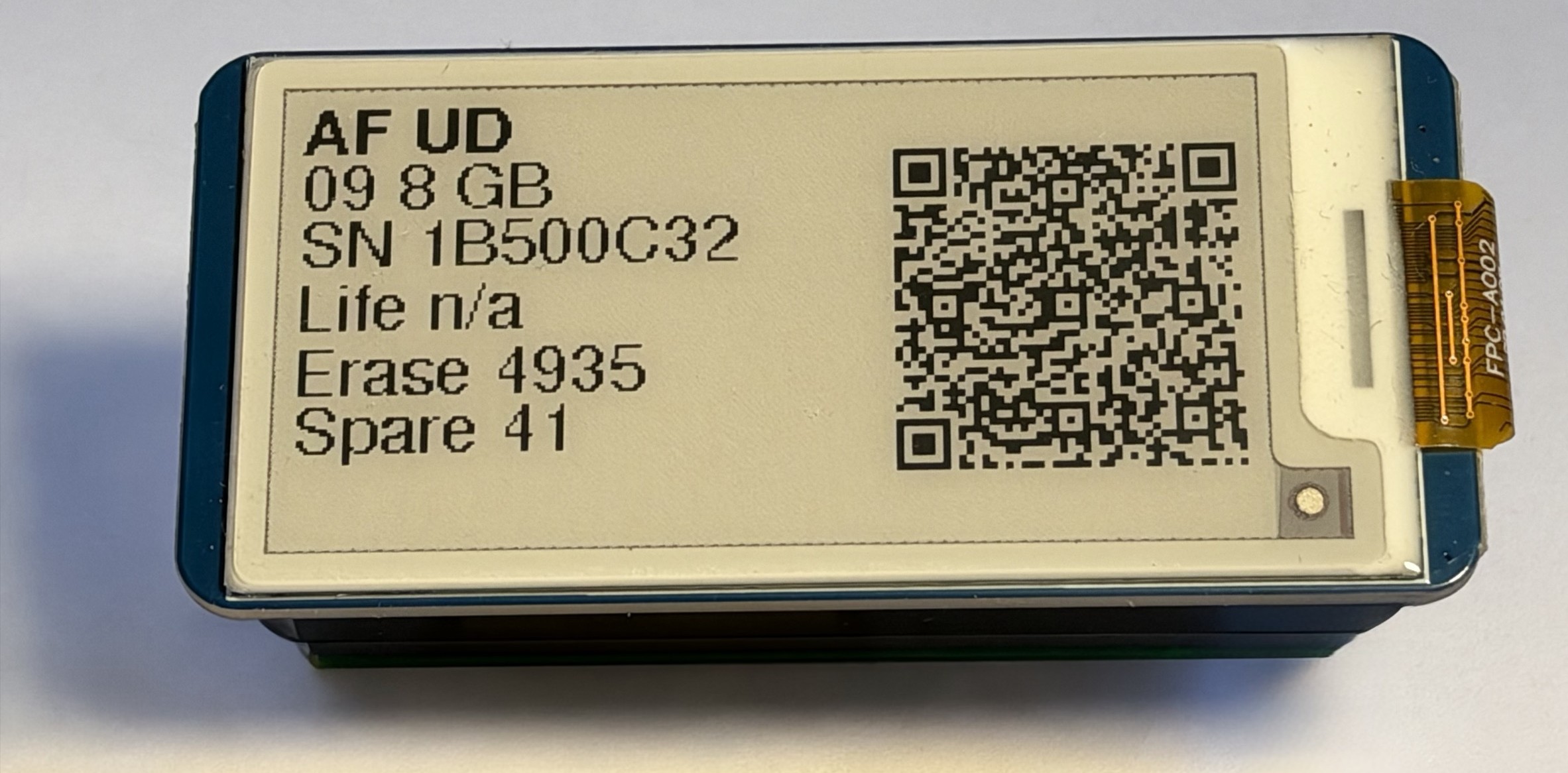
E-paper was the right choice for a reason that only shows up in use: the reading stays on the panel with no power. Pull the card, put the reader in a drawer, and the last reading is still on the panel when you pick it up again.
Why the QR code is the whole point
The Nano has no Wi-Fi in use, no Bluetooth and no app. Everything it knows about the card is packed into the QR code on the panel, and the code is signed with a key that lives in that one device.
Scan it with any phone. The link opens our portal, which checks the signature, records the reading against the card’s serial number and shows the card’s passport: its identity, its history of readings and erasures, and the reading you just scanned, marked as the one this code came from. If the signature does not check out, the portal shows nothing.
That gives a small device a large property. A reading cannot be invented, cannot be altered and cannot be attributed to the wrong device. The evidence chain starts at the card and ends in the portal, and the phone in between is only a courier.
What it is not
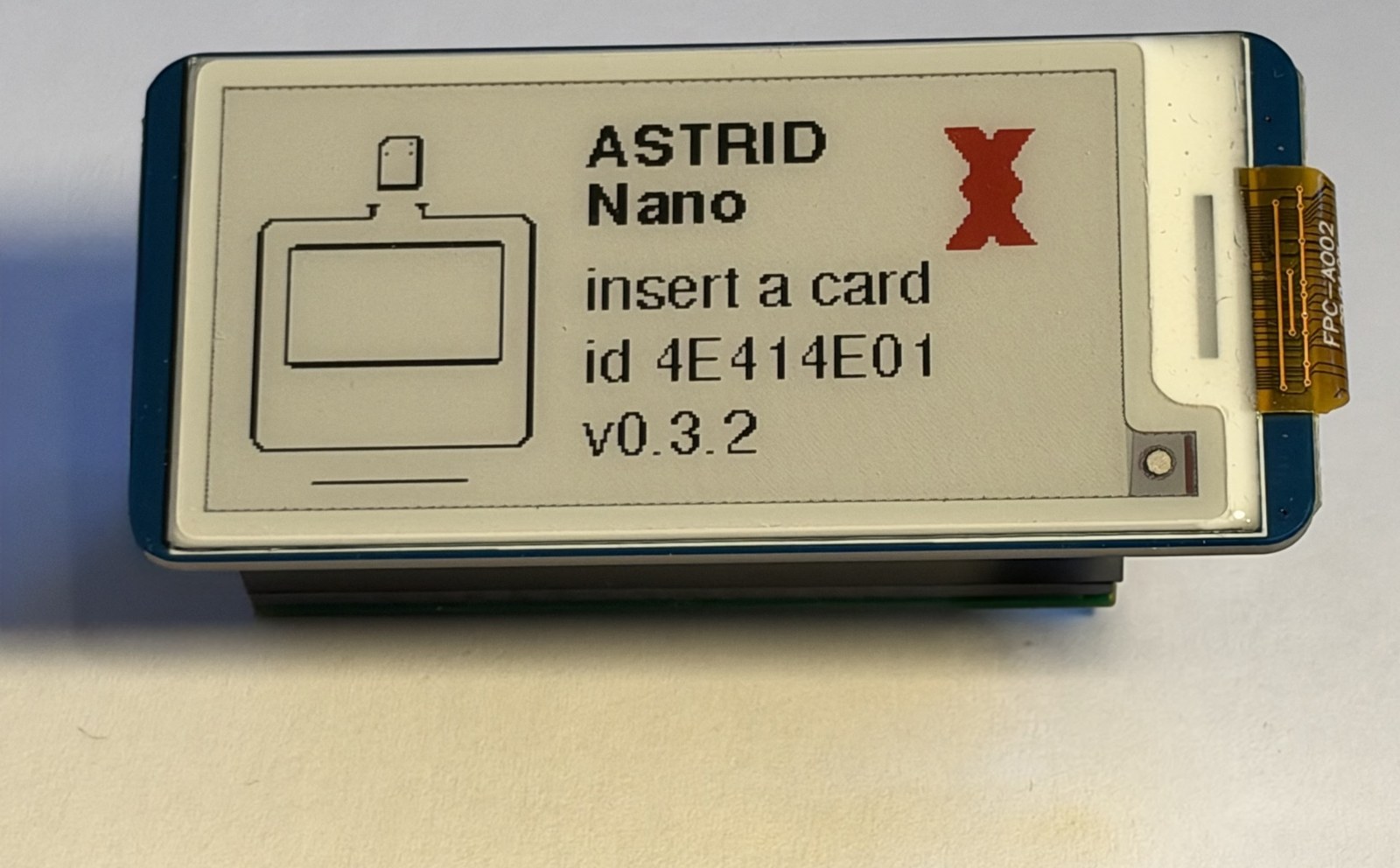
It does not wipe, test or certify. Those jobs stay with the ASTRID handheld and with our lab. The Nano is for the moment before those jobs: the card on the bench, the card in the spares drawer, the card that came back from the field with no story attached.
Where it stands
Two units exist. The firmware is at version 0.3.2 and reads the cards we have put through it, including the ATP and SanDisk industrial parts our customers use. The production design uses a black and white panel with a faster refresh, keeps the per-device signing key, and adds a way for the unit to update itself.
If you look after equipment that runs on memory cards and this sounds useful, tell us what you would want it to show. The rest of the range is on the ASTRID tools page.
Want the numbers for your media?
Get a rough estimate in seconds, then a fixed quote when you're ready.